
Complete Home Inspection
A Complete Home Inspection is a non-invasive visual examination of a property’s structure, systems, and safety conditions with a report delivered on the condition of the property’s many components. This service provides buyers, sellers, and property owners with a clear, informed understanding of a home’s current condition, enabling confident decisions, accurate planning, and reduced risk. Each inspection is performed following recognized industry standards to ensure consistency, accuracy, and reliability.
What Is a Complete Home Inspection?
For a broader educational overview, see our in-depth Home Inspection Guide for additional context on standards, expectations, and common findings.
A Complete Home Inspection involves a detailed visual and functional assessment of the home’s major components. The goal is to identify existing issues, potential risks, and areas that may require maintenance or repair, while providing practical guidance for protecting the property’s long-term value.
Definition and Purpose
- Professional evaluation of structural and mechanical components
- Identification of safety hazards and functional deficiencies
- Documentation of findings with photos and recommendations
- Support for informed real estate and maintenance decisions
Who Benefits From a Complete Home Inspection
Buyers
- Uncovers hidden defects before purchase
- Reduces the likelihood of costly surprises
- Strengthens negotiation leverage
Sellers
- Allows proactive repairs before listing
- Builds buyer confidence
- Minimizes delays and failed negotiations
Realtors
- Helps facilitate smoother transactions
- Supports transparency and trust
- Aids in accurate property representation
Common Misconceptions
- A Complete Home Inspection is not a pass/fail test. It is a report on the condition of the home’s many components
- It does not determine market value. Appraisers provide a statement of value.
- Inspectors identify issues; they do not perform repairs
- Older homes are not inherently inferior to newer construction
Scope of a Complete Home Inspection
Each Complete Home Inspection includes a non-invasive visual inspection of structural elements, mechanical systems, and interior/exterior components.
Structural Components
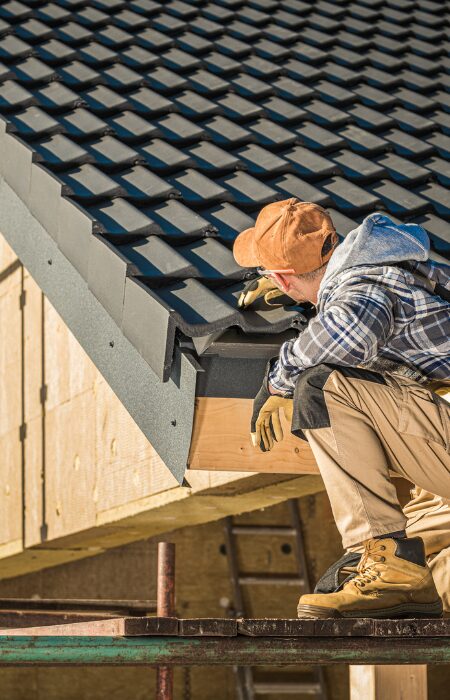
- Roof structure, vents, flashings, and trim
- Skylight, chimney, and roof penetrations
- Eaves, soffit, fascia, gutters, and downspouts
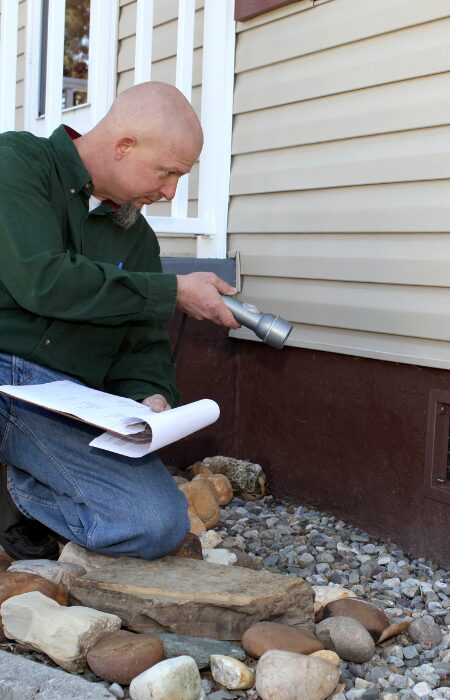
- Foundation, basement, and crawlspace
- Grading and drainage
- Water penetration and foundation movement
- Decks, stoops, porches, walkways, and railings
- Fireplace damper door and hearth
Exterior Systems
- Exterior wall coverings
- Windows, doors, and locks
- Insulation and ventilation
- Weather barriers and moisture protection
Mechanical and Safety Systems
- Heating systems
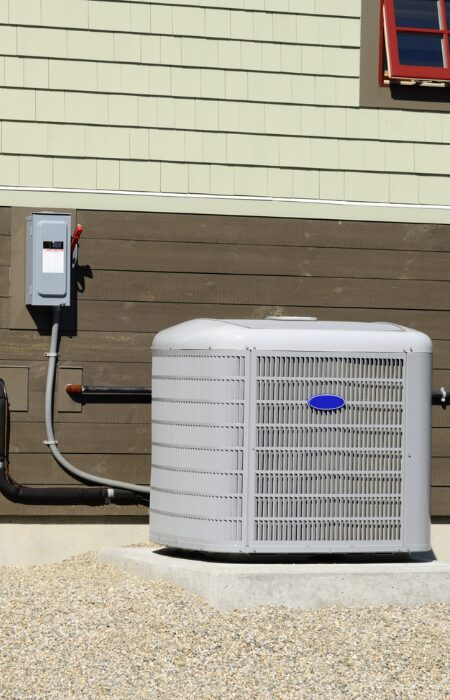
- Cooling systems
- Main and branch waterlines
- Water heating systems
- Interior plumbing fixtures and faucets
- Drainage sump pumps and accessible floats
- Electrical service lines and meter box services
- Electrical panels, breakers, and fuses
- Grounding and bonding
- GFCI and AFCI protection
Safety and Environmental Checks
- Smoke detectors
- Carbon monoxide detectors
- Carbon monoxide and combustible gas leak testing
- Proper venting of appliances and exhaust systems
Functional Testing of Built-In Appliances
- Stove and oven
- Dishwasher
- Built-in microwave
Home Energy and Efficiency Review
A Complete Home Inspection also includes a basic home energy assessment to highlight efficiency concerns and improvement opportunities.
Energy Review Includes
- Insulation and vapor barriers
- Weather-stripping
- Ductwork, registers, and returns
- Thermostats
- Heating and cooling system performance
While not a full energy audit, this review provides valuable insight into energy loss, comfort issues, and optimization potential.
The Complete Home Inspection Process
Step-by-Step Process
- Scheduling with a certified inspector
- On-site evaluation of all accessible areas
- Functional testing of systems and components
- Documentation with photos and notes
- Detailed written report delivery
- Discussion of findings and recommendations
What the Final Report Includes
- Summary of major concerns
- Identified safety hazards
- Photo documentation of issues
- Recommended repairs categorized by urgency
- Maintenance observations and guidance
Common Findings During a Complete Home Inspection
Structural Issues
- Cracked foundations caused by settling or moisture
- Sagging roof structures from poor support
- Significant wall cracks indicating movement
Electrical and Plumbing
- Outdated or unsafe wiring systems
- Double-tapped breakers
- Leaking or corroded pipes
HVAC and Ventilation
- Aging or inefficient systems
- Improper venting increasing carbon monoxide risk
- Dirty or restrictive filters reducing efficiency
Pre-Listing Complete Home Inspections
Benefits for Sellers
- Reduces last-minute renegotiations
- Increases buyer transparency
- Strengthens listing appeal
- Speeds up closing timelines
Preparation Tips
- Clean and declutter key areas
- Provide access to attics and crawlspaces
- Ensure utilities are active
- Secure pets and remove obstacles
Choosing a Qualified Inspector for a Complete Home Inspection
Recommended Qualifications
- Membership in ASHI or InterNACHI.
- Many positive reviews.
- Proven inspection experience.
- Knowledge of construction practices.
Important Questions to Ask
- What does your inspection include?
- How detailed is the final report?
- What standards of practice do you follow? Our Standards of Practice
- Can you provide sample reports?
- More questions answered here.
Warning Signs
- Unusually low pricing
- No available reviews. We have more than 400 Google Reviews. More than any of our competitors. Read them here.
- Lack of sample documentation.
- View our Sample Inspection Report
- View our Sample Inspection Agreement
Interpreting Your Complete Home Inspection Report
Severity Levels
- Minor: Cosmetic wear or small defects
- Moderate: Aging components approaching failure
- Major: Structural damage or significant safety issues
Recommended Next Steps
- Review findings carefully
- Obtain repair estimates
- Prioritize safety concerns
- Use findings in negotiations or planning
Complete Home Inspection Standards
All Complete Home Inspections are conducted in accordance with the National Association of Certified Home Inspectors Standards of Practice, ensuring consistent procedures, ethical guidelines, and professional accountability.
Each inspection also includes a 90-Day Limited Warranty, reinforcing our commitment to quality, reliability, and long-term client confidence.
Why Choose a Complete Home Inspection
A Complete Home Inspection provides clarity, protection, and peace of mind. Whether purchasing, selling, or maintaining a home, this service ensures you have accurate knowledge of your property’s true condition, allowing you to make decisions with confidence and authority.


Complete Home Inspection
A Complete Home Inspection is a non-invasive visual examination of a property’s structure, systems, and safety conditions with a report delivered on the condition of the property’s many components. This service provides buyers, sellers, and property owners with a clear, informed understanding of a home’s current condition, enabling confident decisions, accurate planning, and reduced risk. Each inspection is performed following recognized industry standards to ensure consistency, accuracy, and reliability.
For a broader educational overview, see our in-depth Home Inspection Guide for additional context on standards, expectations, and common findings.
A Complete Home Inspection involves a detailed visual and functional assessment of the home’s major components. The goal is to identify existing issues, potential risks, and areas that may require maintenance or repair, while providing practical guidance for protecting the property’s long-term value.
- Professional evaluation of structural and mechanical components
- Identification of safety hazards and functional deficiencies
- Documentation of findings with photos and recommendations
- Support for informed real estate and maintenance decisions
Buyers
- Uncovers hidden defects before purchase
- Reduces the likelihood of costly surprises
- Strengthens negotiation leverage
Sellers
- Allows proactive repairs before listing
- Builds buyer confidence
- Minimizes delays and failed negotiations
Realtors
- Helps facilitate smoother transactions
- Supports transparency and trust
- Aids in accurate property representation
- A Complete Home Inspection is not a pass/fail test. It is a report on the condition of the home’s many components
- It does not determine market value. Appraisers provide a statement of value.
- Inspectors identify issues; they do not perform repairs
- Older homes are not inherently inferior to newer construction
Each Complete Home Inspection includes a non-invasive visual inspection of structural elements, mechanical systems, and interior/exterior components.
- Roof structure, vents, flashings, and trim
- Skylight, chimney, and roof penetrations
- Eaves, soffit, fascia, gutters, and downspouts
- Foundation, basement, and crawlspace
- Grading and drainage
- Water penetration and foundation movement
- Decks, stoops, porches, walkways, and railings
- Fireplace damper door and hearth
- Exterior wall coverings
- Windows, doors, and locks
- Insulation and ventilation
- Weather barriers and moisture protection
- Heating systems
- Cooling systems
- Main and branch waterlines
- Water heating systems
- Interior plumbing fixtures and faucets
- Drainage sump pumps and accessible floats
- Electrical service lines and meter box services
- Electrical panels, breakers, and fuses
- Grounding and bonding
- GFCI and AFCI protection
- Smoke detectors
- Carbon monoxide detectors
- Carbon monoxide and combustible gas leak testing
- Proper venting of appliances and exhaust systems
- Stove and oven
- Dishwasher
- Built-in microwave
A Complete Home Inspection also includes a basic home energy assessment to highlight efficiency concerns and improvement opportunities.
- Insulation and vapor barriers
- Weather-stripping
- Ductwork, registers, and returns
- Thermostats
- Heating and cooling system performance
While not a full energy audit, this review provides valuable insight into energy loss, comfort issues, and optimization potential.
- Scheduling with a certified inspector
- On-site evaluation of all accessible areas
- Functional testing of systems and components
- Documentation with photos and notes
- Detailed written report delivery
- Discussion of findings and recommendations
- Summary of major concerns
- Identified safety hazards
- Photo documentation of issues
- Recommended repairs categorized by urgency
- Maintenance observations and guidance
- Cracked foundations caused by settling or moisture
- Sagging roof structures from poor support
- Significant wall cracks indicating movement
- Outdated or unsafe wiring systems
- Double-tapped breakers
- Leaking or corroded pipes
- Aging or inefficient systems
- Improper venting increasing carbon monoxide risk
- Dirty or restrictive filters reducing efficiency
- Reduces last-minute renegotiations
- Increases buyer transparency
- Strengthens listing appeal
- Speeds up closing timelines
- Clean and declutter key areas
- Provide access to attics and crawlspaces
- Ensure utilities are active
- Secure pets and remove obstacles
- Membership in ASHI or InterNACHI.
- Many positive reviews.
- Proven inspection experience.
- Knowledge of construction practices.
- What does your inspection include?
- How detailed is the final report?
- What standards of practice do you follow? Our Standards of Practice
- Can you provide sample reports?
- More questions answered here.
- Unusually low pricing
- No available reviews. We have more than 400 Google Reviews. More than any of our competitors. Read them here.
- Lack of sample documentation.
- View our Sample Inspection Report
- View our Sample Inspection Agreement
- Minor: Cosmetic wear or small defects
- Moderate: Aging components approaching failure
- Major: Structural damage or significant safety issues
- Review findings carefully
- Obtain repair estimates
- Prioritize safety concerns
- Use findings in negotiations or planning
All Complete Home Inspections are conducted in accordance with the National Association of Certified Home Inspectors Standards of Practice, ensuring consistent procedures, ethical guidelines, and professional accountability.
Each inspection also includes a 90-Day Limited Warranty, reinforcing our commitment to quality, reliability, and long-term client confidence.
A Complete Home Inspection provides clarity, protection, and peace of mind. Whether purchasing, selling, or maintaining a home, this service ensures you have accurate knowledge of your property’s true condition, allowing you to make decisions with confidence and authority.
Frequently Asked Questions
What does a complete home inspection cover?
A complete home inspection is a visual, non-invasive examination of the readily accessible systems and components of the home – roof, structure and foundation, exterior, plumbing, electrical, heating and cooling, insulation and ventilation, interior, and installed appliances.
How long does a home inspection take?
Most inspections take roughly two to four hours. Larger, older or more complex homes take longer, because the inspector works through every accessible system rather than to a fixed clock.
Should I attend my home inspection?
You are welcome to, and many buyers find it the most useful part of the process. Being there lets you see any issues in place, ask questions as they come up, and learn where the shutoffs and key systems are.
When do I get my inspection report?
You receive a detailed written report with photographs, delivered promptly so you have time to review it and act within your inspection contingency period.
Does a home inspection include radon or termite testing?
No – those are separate specialty services, because each uses its own equipment and standards. Both can be scheduled alongside your home inspection so everything is handled in one visit.
