
SEPTIC DYE TESTING
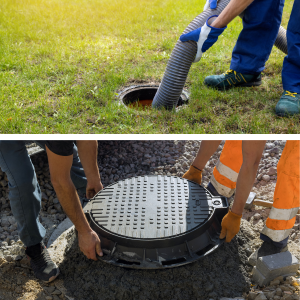 When having a rural property inspected, it is important not to forget about the septic system. The septic system is one of the least thought about systems in a home today, but it is also one of the most important, and most expensive to neglect.
Septic systems must be inspected on a regular basis, even if they appear to be in good working order. Inspections assess the current and future performance of an existing sewage system, and the fact that a system appears to be in good working order now does not guarantee that it will continue to function in the future.
While your toilets may flush, your drains may still function, and there is no evidence of sewage drainfield surfacing, your system must still be inspected on a regular basis. Septic systems should be inspected by a professional at least once every one to three years and pumped as recommended by the inspector every three to five years.
Septic systems require routine monitoring and maintenance to ensure that they function properly and do not pose a risk to human health or the environment due to pollutants in household wastewater. In order to prevent the spread of infection and disease, have your septic system inspected.
Sewage from septic systems can contaminate drinking water and cause infectious diseases such as eye and ear infections, gastrointestinal illness, and even hepatitis. When a system or soil absorption reaches its maximum capacity, sewage can back up into the basement or the soil’s surface.
AllCheck Inspections will test the septic system to insure that everything is flowing properly and to verify there are no apparent leaks or stops in the finger system. We advise that, when purchasing a home with a septic system, the septic tank be cleaned by a reputable company and that you use a bacterial agent on a regular basis.
For more information see Septic Systems.
SEPTIC SYSTEM TESTING
When having a rural property inspected, it is important not to forget about the septic system. The septic system is one of the least thought about systems in a home today, but it is also one of the most important, and most expensive to neglect.
Septic systems must be inspected on a regular basis, even if they appear to be in good working order. Inspections assess the current and future performance of an existing sewage system, and the fact that a system appears to be in good working order now does not guarantee that it will continue to function in the future.
While your toilets may flush, your drains may still function, and there is no evidence of sewage drainfield surfacing, your system must still be inspected on a regular basis. Septic systems should be inspected by a professional at least once every one to three years and pumped as recommended by the inspector every three to five years.
Septic systems require routine monitoring and maintenance to ensure that they function properly and do not pose a risk to human health or the environment due to pollutants in household wastewater. In order to prevent the spread of infection and disease, have your septic system inspected.
Sewage from septic systems can contaminate drinking water and cause infectious diseases such as eye and ear infections, gastrointestinal illness, and even hepatitis. When a system or soil absorption reaches its maximum capacity, sewage can back up into the basement or the soil’s surface.
AllCheck Inspections will test the septic system to insure that everything is flowing properly and to verify there are no apparent leaks or stops in the finger system. We advise that, when purchasing a home with a septic system, the septic tank be cleaned by a reputable company and that you use a bacterial agent on a regular basis.
For more information see Septic Systems.
Frequently Asked Questions
What does septic system testing involve?
The inspector evaluates the condition of the tank, checks sludge and scum levels, and assesses how well the drain field is accepting and dispersing effluent, typically including a flow or loading test to see how the system behaves under use.
Why should I test the septic system before buying?
Because a failed system is one of the most expensive repairs a home can need, and failures are rarely obvious during a showing. A system can look completely normal from the surface and still be at the end of its life.
How often should a septic tank be pumped?
For most households, every three to five years, though it depends on tank size, household size and how the system is used. Your inspection report gives you a picture of the system’s current condition to work from.
What are the warning signs of a failing septic system?
Slow drains throughout the house, sewage odors indoors or outside, wet or spongy ground or unusually lush grass over the drain field, and backups are all signs the system needs attention.
Can septic testing be done with my home inspection?
Yes. It is commonly scheduled alongside a Complete Home Inspection, and for homes on a private system it is often paired with water testing.
