
MOLD TESTING
Mold spores are invisible to the naked eye and circulate in the air. Mold is beneficial in the outdoors. It travels and degrades plant material naturally. Indoor mold, on the other hand, is hazardous to one’s health and can cause respiratory problems, allergic reactions, nausea, and headaches.
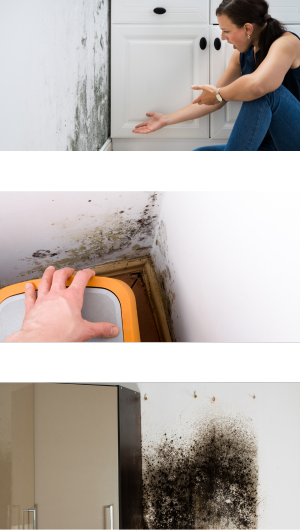
Mold can grow in any home if mold spores are exposed to the right conditions. Spores thrive in warm, damp environments—kitchens, laundry rooms, and bathrooms are especially prone to growth. Mold frequently grows in places where it is not visible, such as inside walls. If a pipe has a minor leak inside your wall, you may be unaware of it for some time. Water can cause extensive damage.
Recent medical studies also show that mold is one of the most common causes of allergy symptoms. Certain types of mold can even cause fatal disorders. The presence of mold, fungus, and mildew can create health hazards, so homes should be tested to determine the type of mold growing in a home. So, how can you tell if you have mold in your home? A professional mold inspection is the best way to find out if you have mold.
Inspectors can perform swab, air, and carpet samples to determine the type of mold and the amount of mold growing in the home. Samples are sent to a laboratory for analysis and the results are generally available in five business days. It is also important to understand why mold is growing in a home. Inspectors can tell you possible reasons for mold growth and what repairs are needed to eliminate the problem. Often, simple and inexpensive repairs can eliminate the moisture issues that create an environment for mold growth.
For more information on mold and what you can do to protect your home, please see Mold.
MOLD AND MILDEW TESTING
Mold spores are invisible to the naked eye and circulate in the air. Mold is beneficial in the outdoors. It travels and degrades plant material naturally. Indoor mold, on the other hand, is hazardous to one’s health and can cause respiratory problems, allergic reactions, nausea, and headaches.
Mold can grow in any home if mold spores are exposed to the right conditions. Spores thrive in warm, damp environments—kitchens, laundry rooms, and bathrooms are especially prone to growth. Mold frequently grows in places where it is not visible, such as inside walls. If a pipe has a minor leak inside your wall, you may be unaware of it for some time. Water can cause extensive damage.
Recent medical studies also show that mold is one of the most common causes of allergy symptoms. Certain types of mold can even cause fatal disorders. The presence of mold, fungus, and mildew can create health hazards, so homes should be tested to determine the type of mold growing in a home. So, how can you tell if you have mold in your home? A professional mold inspection is the best way to find out if you have mold.
Inspectors can perform swab, air, and carpet samples to determine the type of mold and the amount of mold growing in the home. Samples are sent to a laboratory for analysis and the results are generally available in five business days. It is also important to understand why mold is growing in a home. Inspectors can tell you possible reasons for mold growth and what repairs are needed to eliminate the problem. Often, simple and inexpensive repairs can eliminate the moisture issues that create an environment for mold growth.
For more information on mold and what you can do to protect your home, please see Mold and Mildew.
Frequently Asked Questions
When should I test for mold?
Test if you can see growth, notice a persistent musty odor, know the home has had a leak or water damage, or are experiencing allergy or respiratory symptoms that ease when you leave the house.
What does mold testing involve?
Air and surface samples are collected and sent for laboratory analysis. Indoor spore levels are compared against an outdoor baseline taken the same day, because mold spores are present everywhere and the outdoor sample is what makes the indoor reading meaningful.
Is all mold dangerous?
No. Mold exists at low levels in every building. The concern is elevated indoor concentrations and, more importantly, the ongoing moisture source that allows mold to keep growing.
Does testing fix the problem?
No – testing identifies and documents what is present. Resolving it means removing the growth and correcting the moisture source that caused it, otherwise it returns.
Will my insurance cover mold?
Coverage varies considerably between policies and usually depends on what caused the moisture. Your policy documents or your insurance agent are the right place to confirm what is covered in your case.
