
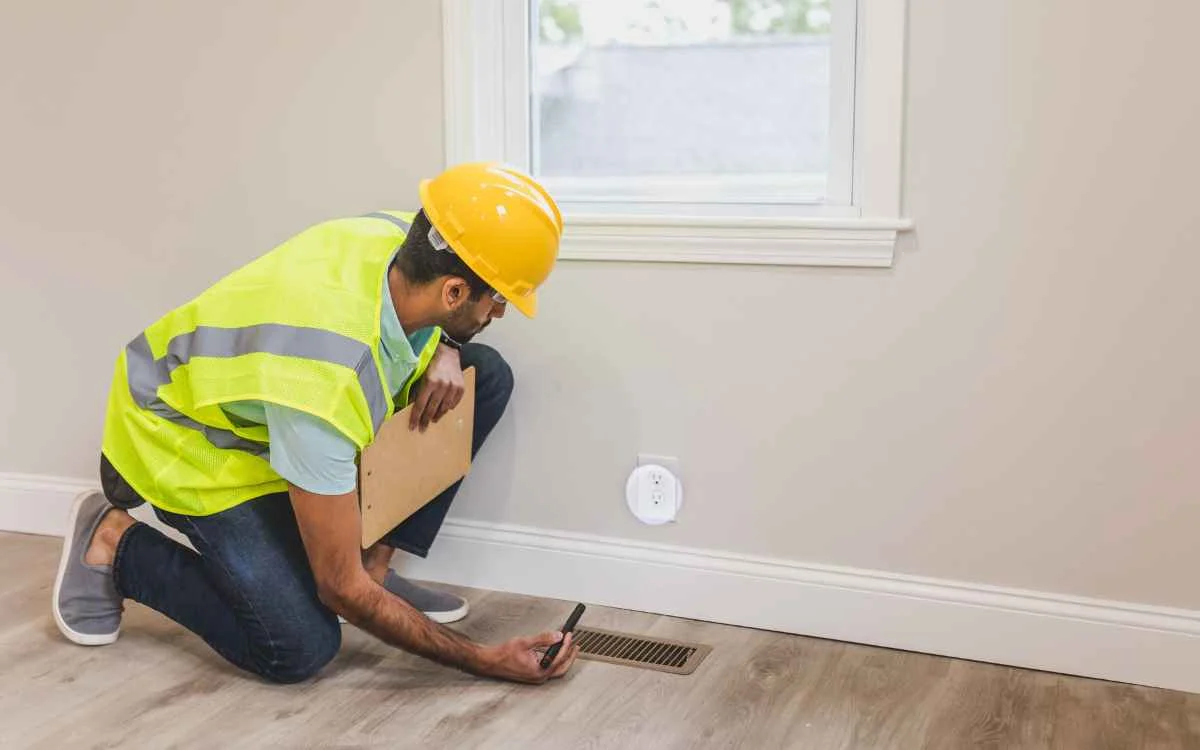
If your new home is closing in on its first birthday, so is your builder’s warranty. An end of builder warranty inspection gives you one last chance to catch problems while the builder is still on the hook to fix them. Miss that window, and the repair bill becomes yours.
Most standard builder warranties cover workmanship and materials for one year. After that, any defect you find is your responsibility, even if the crack in the foundation or the leak under the sink started while the builder was still liable. That’s the reason this inspection exists, and why the timing matters more than most new homeowners realize.
When Does a Builder’s Warranty Actually Expire?
Most new home warranties run for 12 months from your closing date, with limited structural coverage extending further in some cases. The clock starts the day you get the keys, not the day construction finished.
A few things to keep in mind about the timeline:
- Workmanship and materials are typically covered for the full first year.
- Some structural components may carry longer coverage under separate terms.
- Once the warranty lapses, the builder has no obligation to fix anything you find later.
- A certificate of occupancy is not proof the home is defect-free. It only confirms the home met minimum code at final inspection.
That last point catches a lot of new homeowners off guard. Passing a municipal final inspection is not the same as a full code-compliance review. It does not override the actual building codes your home was built under, and it does not check every system the way a full inspection does.
What Indiana Law Actually Sets Out
Indiana Code § 32-27-2-8 lays out the warranty periods builders in this state may offer. Builders can warrant workmanship, materials, and major systems like plumbing and HVAC for two years. Roof and roof systems can carry four years of coverage, and major structural defects can carry ten.
This is general legal information, not legal advice, and terms still vary by builder and contract. Your specific warranty document is what actually governs your home, so check the exact dates and coverage listed there before assuming a timeline. Either way, knowing your real deadline is the first step toward booking your inspection at the right time.
Why the 11-Month Mark Is the Right Time to Book
Booking too close to your warranty’s expiration leaves no room for the builder to respond. Scheduling an inspection around the 11-month mark, roughly four to six weeks before the warranty ends, gives you time to get a report, submit it in writing, and let the builder respond before the deadline closes.
That timing matters because a new home almost always has something worth flagging by month 11. Settling, minor HVAC issues, and small seal or caulk failures show up even in well-built homes. A house is built from thousands of parts installed by multiple trades, and near-perfect construction is rare.
Why Waiting Until the Last Minute Is Risky
Homeowners who wait until the final week often run out of time. The builder may need weeks to schedule a repair crew, and some warranty terms require written notice within a set number of days after you report an issue.
Booking early also gives you room to schedule a follow-up visit if the first round of repairs does not fully resolve a problem. A rushed inspection at the eleventh hour rarely leaves space for that.
What Happens If You Miss the Deadline
Once the warranty period closes, the builder is no longer contractually required to fix anything, even a defect that started while the home was under warranty. Any repair becomes an out-of-pocket cost, and in some cases the underlying cause can be harder to prove months later.
This is why the inspection needs to happen before the deadline, not after. A defect documented one day past expiration is often a defect you now own.
What the Inspection Covers
An end of builder warranty inspection with AllCheck follows the same full scope as a Complete Home Inspection, evaluated against NACHI Standards of Practice. It is not a quick walkthrough. InterNACHI describes this type of visit as a full evaluation of a home’s interior, exterior, and major systems. It’s timed to land before the warranty runs out.
Exterior and Structural Systems
The inspector checks the roof, gutters, foundation, grading, and drainage for anything that has shifted or shown wear since move-in. Windows, doors, and exterior finishes get the same close look, since caulk and seal failures are common by this point. Decks, porches, and walkways are also checked for movement or settling that can happen over a home’s first year.
Interior Systems and Fixtures
Inside the home, the inspection covers plumbing, electrical panels, HVAC performance, and all major appliances. Smoke and carbon monoxide detectors, GFCI outlets, and water heater installation get tested too, along with a check of the attic and crawlspace where accessible. Drywall, trim, and cabinetry get a look as well, since minor settling often shows up first as small cracks or gaps.
Documentation You Can Hand to the Builder
Every finding gets recorded with notes and photos, organized the same way as a standard inspection report. That documentation matters because most builder warranty terms require issues to be reported in writing, not just mentioned verbally during a walkthrough. A clear, dated report gives you something concrete to submit and something the builder cannot easily dispute.
Common Issues Caught at the 11-Month Mark
New construction settles and adjusts in its first year, so certain issues show up more than others by month 11. Watch for these:
- Drywall cracks or nail pops from normal settling
- Caulk and seal failures around windows and doors
- Minor HVAC performance issues after a full year of use
- Grading or drainage problems that only appear after seasonal rain
- Small plumbing leaks that were not visible at the final builder walkthrough
- Loose or missing weather-stripping around exterior doors
- Minor electrical issues, such as an outlet that has stopped testing properly
Catching these while the warranty is still active shifts the repair cost back to the builder instead of onto you. None of these are usually dramatic on their own, but left unaddressed, they tend to get more expensive over time.
Why Use an Independent Inspector Instead of the Builder’s Team
Builders typically run their own final walkthroughs before handing over the keys, and many continue to check in during the first year. Those checks matter, but they are not a substitute for an independent review.
An outside inspector has no incentive to overlook a defect or downplay a finding. The goal of an end of builder warranty inspection is a second, unbiased set of eyes, not a distrust of the builder or the trades who worked on the home. Builders and tradespeople are people too, and people make mistakes, especially across a project with this many moving parts.
AllCheck inspectors hold licenses through the Indiana Professional Licensing Agency’s Home Inspectors Licensing Board, the state body that sets competence and ethics standards for the profession. That license, paired with NACHI Standards of Practice, is what backs every finding in your report.
How This Differs From Your Original New Construction Inspections
If you used AllCheck for a New Construction Phased Inspection during the build, the end of warranty inspection is the natural final step in that same process. The phased inspection checks the foundation, framing, and final walkthrough stages as the home goes up. The end of warranty inspection checks how the finished home has actually performed after a full year of real use.
Some issues simply cannot show up until a home has been lived in through a full range of weather. Seasonal grading problems, minor foundation movement, and HVAC performance under real conditions all fall into that category. This inspection is designed to catch exactly those kinds of issues before your window to report them closes.
How the Process Works
Once you book, AllCheck schedules the inspection timed to land before your Orientation Walk or warranty deadline, whichever comes first. You get the same binder and same-day report that comes with every Complete Home Inspection, so you have documented findings ready to submit to the builder in writing.
If AllCheck also handled your original New Construction Phased Inspection, you qualify for a $50 discount as a returning client. Standard Complete Home Inspection pricing applies, so you can check exact costs on the pricing page before booking.
After the inspection, you will have a clear, organized list of findings to hand off. From there, it is a matter of submitting the report to the builder in writing and following the timeline in your warranty agreement for a response.
Getting the Most Out of Your Report
A report is only useful if you act on it quickly. Once you have the findings in hand, a few simple steps make the whole process go smoother.
- Read through the full report before contacting the builder, so you understand each finding.
- Submit the report in writing, not just as a phone call or verbal mention.
- Keep a copy of everything you send, along with dates and any reference numbers.
- Follow up if you do not hear back within the response window listed in your warranty.
- Ask the builder for written confirmation once a repair is scheduled or completed.
Builders generally want to resolve legitimate issues before a homeowner escalates a complaint further. A clear, well-documented report tends to move that process along faster than a vague description of a problem.
Timing Around Central Indiana Seasons
Homes in Central Indiana go through a real range of weather in a single year, from freezing winters to humid summers. That range can expose issues that never show up in a home only inspected during mild conditions.
Grading and drainage problems, for example, often only become obvious after a heavy spring rain. Scheduling your inspection close to the 11-month mark means the home has already been through most of a full seasonal cycle, giving the inspector a more realistic picture of how it actually performs.
Frequently Asked Questions
When should I schedule an end of builder warranty inspection? Book around the 11-month mark, roughly four to six weeks before your warranty expires. This leaves enough time to report findings and get a response from the builder.
Is a certificate of occupancy the same as a full inspection? No. A certificate of occupancy only confirms the home met minimum code at final inspection. It does not check for the defects a full inspection catches.
Does the inspection cost less if I already used AllCheck for my phased inspection? Yes. Returning clients who used AllCheck for the original phased inspection get a $50 discount on the end of warranty inspection.
What if the inspector finds a defect the builder disagrees with? The report gives you documented, photo-backed evidence to support your claim. That documentation is often the deciding factor when a builder pushes back on a finding.
Can I still get repairs covered if I report an issue right before the deadline? It depends on your specific warranty terms, so earlier reporting is always safer. Booking the inspection a full month or more before expiration gives the builder realistic time to respond.
Does Indiana law require a specific warranty length? Indiana Code § 32-27-2-8 allows builders to offer two years on workmanship and systems, four years on the roof, and ten years on structural defects. Your own contract still decides which terms actually apply to your home.
Don’t Let the Window Close
A builder’s warranty only protects you while it’s active, and that window is smaller than most homeowners realize. Booking an end of builder warranty inspection before your 12-month mark puts a documented, independent report in your hands while the builder is still required to act on it. Contact AllCheck to schedule your inspection before the deadline passes.
