
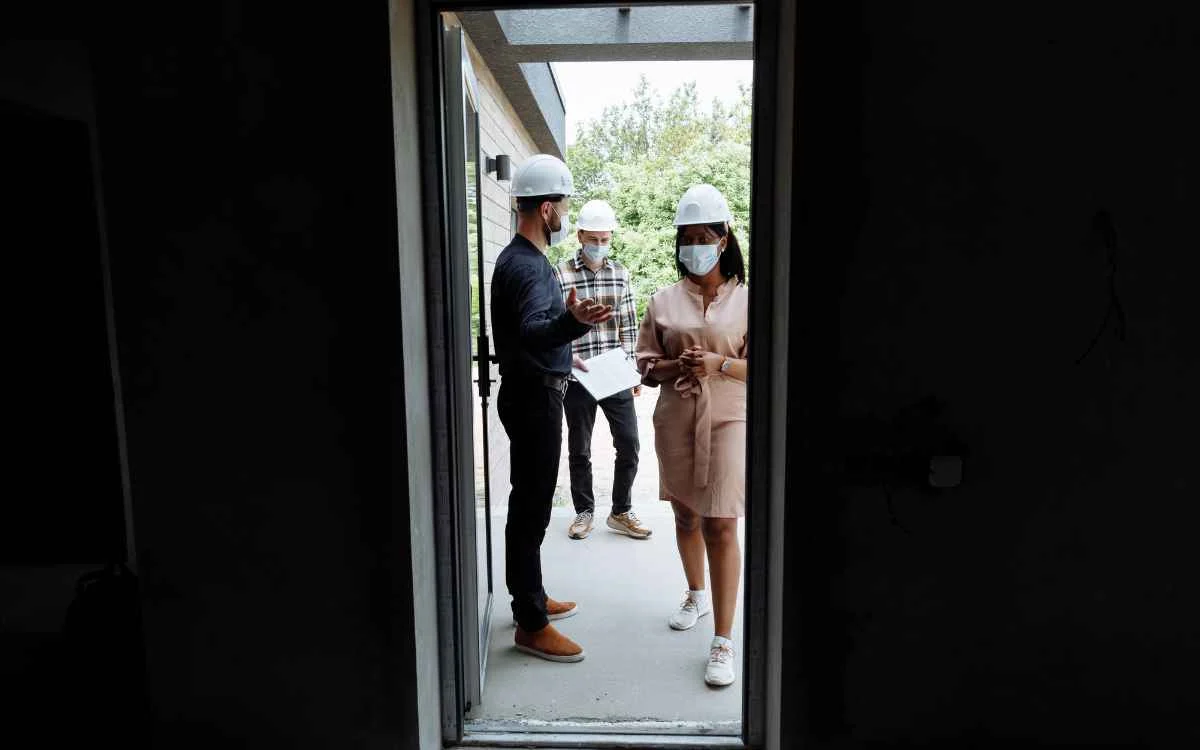
Skipping a commercial property inspection in Indianapolis rarely saves money. It usually just delays the bill. The liability lands on whoever owns the building when the problem surfaces.
Buyers and investors often treat a walkthrough as good enough for a small commercial deal. What that walkthrough misses is exactly what costs the most later.
The Real Cost of Skipping an Inspection
Small commercial buildings are not cheap to fix once a hidden defect turns into a real failure. A missed roof leak or an aging electrical panel can cost far more than the inspection itself. An unpermitted structural change often costs even more than either one.
A national code compliance survey by the International Code Council found noncompliance issues trending upward. That includes commercial plan denials tied to code violations. Much of that noncompliance traces back to missed inspection cycles, not obvious structural failure.
A skipped inspection does not remove the risk. It just moves the risk from a known number to an unknown one. The new owner discovers that unknown cost later, usually the hard way.
That is the core problem with treating a light commercial inspection as optional. Owners rarely regret paying for one. They regret skipping one, usually within the first year of ownership.
Repair costs also compound over time instead of staying flat. A small roof leak ignored for a year can spread into rotted decking and damaged insulation. What starts as a patch job often turns into a full roof section replacement.
The same pattern applies to plumbing. A small leak behind a wall can quietly ruin drywall and flooring for months. No one notices until the damage is already extensive.
Compliance Gaps That Turn Into Liability
Most commercial building violations do not come from a building falling apart. They come from paperwork. Elevator certifications, fire suppression records, and electrical permits all carry their own compliance deadlines.
Each one can lapse quietly while the building still looks fine from the street. None of that shows up on a quick walkthrough. It shows up months later, usually after a tenant complaint or a city inspection.
Those gaps carry real penalties. Under current OSHA penalty rules, a serious violation can cost up to $16,550. A willful or repeated violation can reach $165,514, and multiple citations from one inspection add up fast.
A furnace that still runs can sit out of compliance for years. The building looks fine until an insurer or a city inspector asks for the paperwork.
Compliance gets more complicated in buildings with multiple tenants or mixed uses. Each tenant space can carry its own permit history, fire suppression needs, and occupancy classification. A retail unit and a restaurant in the same building often answer to different code requirements. An inspection that only looks at common areas can miss violations sitting inside individual units.
Fire and Life Safety Documentation Gaps
Fire and life safety systems are one of the most overlooked areas in a rushed commercial deal. Sprinkler systems, alarm panels, and extinguisher tags all need current inspection records. Insurers care about the paperwork as much as the working hardware.
Commercial and industrial fires are not rare. Between 2017 and 2021, NFPA data shows U.S. fire departments responded to an average of 8,077 structure fires a year at industrial and manufacturing properties. Those fires caused an average of 5 civilian deaths and 155 injuries annually.
Regulatory follow-up on hazardous violations does not always keep pace, even in large cities. A New York City audit reviewed the city’s Department of Buildings. It found the agency missed 56 percent of required re-inspections for the most hazardous violations.
The same gap shows up in cities nationwide, not just New York. A city inspector catching every missed compliance deadline is not something an owner can count on. A private inspection creates a documented record the owner controls directly.
Maintenance intervals carry as much weight as the equipment itself. Sprinkler systems generally need inspection every quarter, with a full internal test every five years. Fire alarm panels typically need testing once a year under most local codes. A building can look compliant on paper while one of these intervals has quietly lapsed.
What a Commercial Building Inspection Checklist Covers
A real checklist goes well beyond a visual walk through the lobby and parking lot. It covers the roof, the flashing, and the drainage. Water intrusion is one of the most common and most expensive defects in commercial buildings.
It also covers the foundation and the structural framing. Inspectors check the HVAC system’s age and service history. They check the electrical panel’s capacity and wiring type too.
Inspectors check plumbing for leaks, water pressure, and pipe material age. This carries extra weight in older buildings with original piping still in service. Inspectors check fire safety systems for current tags and working alarms, not just visible extinguishers.
A casual walkthrough skips certain access points. Inspectors find defects most often behind fit-outs, above drop ceilings, and inside mechanical rooms. A buyer touring the property alone would never spot them.
Every item on that list needs a trained set of eyes. Most also need physical access a real estate showing does not allow. That is the entire reason a formal inspection exists separately from a property tour.
Water damage deserves its own mention on this list. Roof leaks, poor drainage, and failed sealants rank among the most common serious defects. They rarely announce themselves right away.
A stained ceiling tile might look cosmetic on the surface. It often points to a slow leak that has already reached the framing above it. Left alone, water intrusion becomes one of the most expensive repairs a commercial owner will face.
How Building Age Changes What Gets Missed
Older commercial buildings carry a different risk profile than newer construction. Wiring installed decades ago may not meet current code, even if it still works. Older roofing materials often have less remaining life than they appear to have from the ground.
Newer buildings carry their own blind spots. Recently finished construction can still have incomplete trade work hidden behind drywall. A building finished on a tight schedule sometimes skips steps that only show up later.
Occupancy also changes what an inspection needs to catch. A warehouse with heavy equipment puts different stress on electrical and structural systems. An office building rarely sees that same level of wear. A restaurant adds grease exhaust systems and additional fire suppression requirements most office spaces never need.
What AllCheck’s Light Commercial Inspection Includes
AllCheck’s light commercial inspection covers offices, apartment complexes, restaurants, warehouses, and similar low-rise buildings. The inspection is a visual, non-invasive review of the structure, foundation, roof, and exterior finish. It also covers the HVAC, plumbing, and electrical systems. That includes light fixtures and smaller panels checked for safety flaws.
AllCheck performs every inspection against the Standard Building Code, used for newer commercial buildings. Each one follows AllCheck’s documented Standards of Practice.
Commercial buildings vary widely in size, use, and system complexity. Light commercial pricing is quote-based rather than a flat published rate. AllCheck’s pricing page lists the published add-on costs for detached structures on the same property. A custom quote covers the primary building itself.
The finished report stays easy to read and act on. It flags repair and upkeep items before they turn into larger liabilities. AllCheck’s sample report shows the same reporting format used across every inspection type.
Why Central Indiana Buyers and Investors Skip This Step
Small commercial deals often move fast. Buyers sometimes assume a lower price tag means lower risk. That assumption rarely holds up in practice.
A small storefront can carry the same aging panel or roof risk as a much larger building. The scale is smaller, but the risk is not.
Local regulatory costs are also moving in a direction that makes skipping riskier, not safer. Indianapolis has weighed higher Indianapolis permit fees tied to commercial building activity. That includes higher reinspection charges and stop-work violation fees. As city-level compliance costs climb, an undocumented building gets more expensive to fix later.
Investors buying multiple properties face a bigger version of this same risk. One overlooked inspection across a portfolio adds real cost to every building it touches. Compliance failures tend to surface at the worst possible time. That usually means a tenant dispute or an active claim.
Investors focused purely on insurability sometimes skip a light commercial inspection entirely. They assume a narrower review, like wiring type or roof age, covers the full picture. That narrower review answers an insurer’s questions, not a buyer’s questions about the whole building.
The Liability Falls on the Owner
Liability for an uninspected building does not stay with the seller. It does not stay with the previous tenant or the last contractor either. It follows the current owner, whether or not they caused the problem.
A tenant injury or a failed fire system becomes the owner’s responsibility to resolve. So does an expired certification found during a routine city check.
An inspection does not remove every risk in an older or heavily used building. It replaces guesswork with a documented, dated record of the building’s condition. That record carries weight with insurers, lenders, and city inspectors alike. It carries just as much weight with the buyer deciding whether to close.
That documentation also protects an owner during a dispute. If a tenant is injured and claims the building was unsafe, a dated report carries real weight. Without it, an owner argues from memory against a claim built on paperwork. The report becomes evidence either way, and it works better for the side that has one.
Investors weighing a light commercial purchase often pair it with a 4-Point Inspection for insurability. Buildings that already went through a repair negotiation can benefit from a Re-Inspection. A re-inspection confirms the fix addressed the original issue, not just patched it.
Frequently Asked Questions
How much does a light commercial inspection cost in Indianapolis? AllCheck’s light commercial inspection is quote-based because buildings vary widely in size and system complexity. A custom quote reflects the specific building being purchased.
What does a commercial building inspection checklist cover? It covers the roof, structure, foundation, HVAC, plumbing, and electrical systems. It also covers fire safety equipment and less visible areas like mechanical rooms.
Who is liable if a commercial building was never inspected? Liability generally follows the current owner, regardless of who created the problem. Documented inspection records help protect owners from that exposure.
How often should a commercial building be inspected? Most owners benefit from a full inspection at purchase and again every few years after that. Buildings with heavy equipment or multiple tenants may need more frequent checks.
If skipping an inspection ever felt like the faster option, contact AllCheck before the next deal closes.
AllCheck Inspections serves Central Indiana from Indianapolis, IN, reachable at (317) 202-3020 or AllCheck.biz.
