
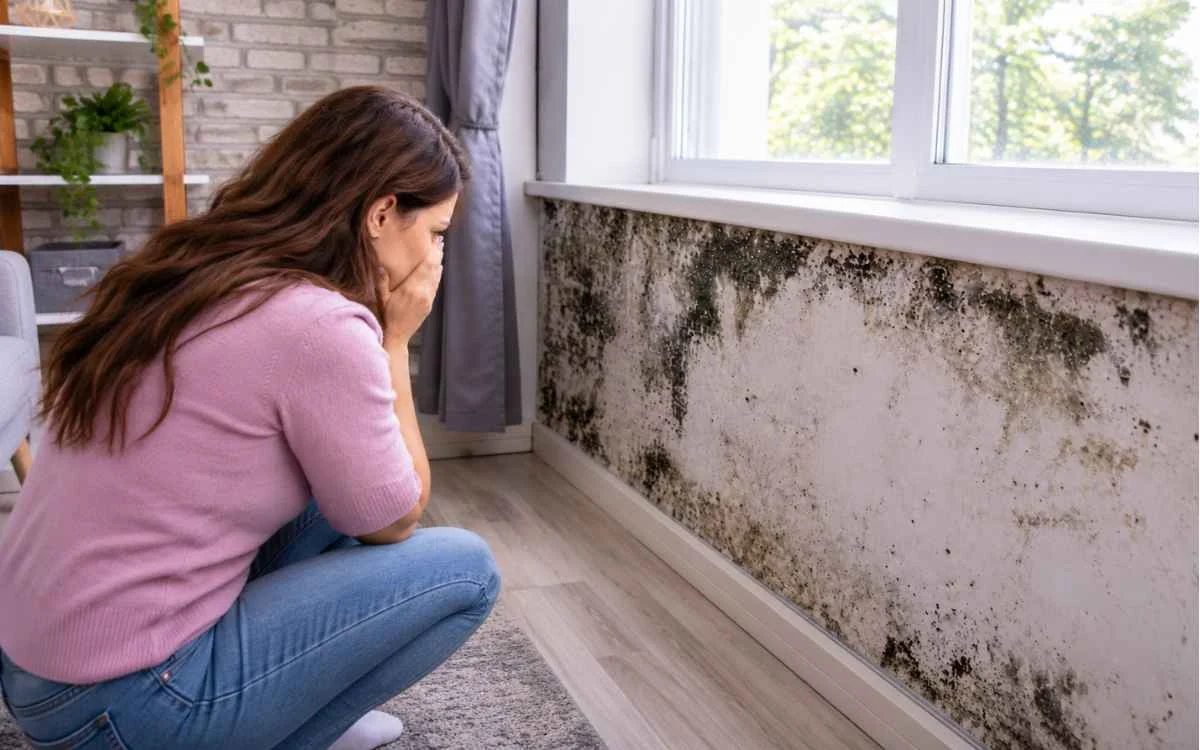
You spot a dark patch creeping across the bathroom grout. Your first instinct is to grab a sponge. Your second instinct is to wonder if you should be worried enough to call someone. That’s usually the moment people start typing “mold inspection cost” into their phone.
It’s a fair question, but it’s not always the first one worth asking. Sometimes that stain is genuine mold that needs lab confirmation. Other times it’s surface mildew that soap, water, and better airflow will clear up by the weekend. Knowing which one you’re looking at saves money and tells you exactly when paid testing earns its keep.
What a Visual Mold Concern Usually Looks Like
Most calls start the same way. Someone notices dark spots in a bathroom corner, a musty basement smell, or discoloration along a windowsill. These are the exact triggers behind most searches for mold testing near you.
That reaction makes sense. Nobody wants to shrug off a health risk or a hidden moisture problem. But spotting something doesn’t mean you need a full lab-confirmed inspection right away. It means you need to look a little closer first.
Common Spots Where Mold Shows Up
- Bathrooms, tied to poor ventilation and daily moisture
- Attics, usually linked to a roof leak or blocked soffit vents
- Crawlspaces, driven by ground moisture and a worn vapor barrier
- Behind walls, often traced to an undetected pipe leak
- HVAC ductwork, a quieter source that spreads spores house-wide
Signs That Point to Surface Mildew, Not a Bigger Problem
A thin black film on grout or caulk that wipes away with light scrubbing is usually mildew. If it stays confined to a small patch with an obvious cause, like a shower fan nobody uses, cleaning often takes care of it.
No musty smell. No discoloration creeping onto nearby drywall. No history of a leak in that spot. These are all good signs. A mold-safe cleaner and a bit more airflow will usually finish the job without any lab work.
When a Good Clean Solves the Problem
Not every dark spot needs a professional. The EPA’s guidance on mold cleanup notes that mold can often be removed from hard surfaces using water and detergent, then dried completely. That covers a lot of the small bathroom and kitchen spots people run into regularly.
If the affected area sits under roughly ten square feet, lives on a hard surface, and traces back to a fixable moisture source, cleaning is the right first move. Fix the leak. Run the fan. Wipe it down. Check back in a few weeks.
When DIY Cleaning Stops Being the Right Call
Cleaning loses its usefulness once mold covers a large area or keeps returning after you’ve already scrubbed it. Porous materials like drywall, insulation, and carpet padding often need to be removed entirely, since mold can grow into the material itself.
If anyone in the house has ongoing respiratory symptoms, allergies, or asthma flare-ups tied to one specific room, pay attention to that pattern. That’s the point where testing gives you a real answer instead of another guess.
When Paid Mold Testing Is Worth the Cost
This is where mold inspection cost shifts from an expense to an investment. Testing earns its value when you can’t see the source, when a smell shows up with no visible growth, or when you’re mid-transaction on a home sale and need documentation.
A mold and mildew testing service identifies the mold type, its concentration level, and the likely moisture source behind it. That’s a level of detail a visual check simply can’t give you.
What a Mold Swab Test Confirms
A swab test samples a specific surface directly. That makes it useful for confirming whether a stain is real mold or just discoloration. It’s faster and more targeted than broader air sampling.
What Air Sampling Adds That a Swab Can’t
Air sampling checks for spores circulating through the home, even in spots you can’t see or reach. This matters when there’s a musty smell with no visible growth, since the source could be hiding inside a wall cavity or the ductwork. Results work best when read alongside a physical walkthrough of the property, not on their own.
What Mold Inspection Cost Looks Like
Pricing mostly depends on turnaround speed and how many samples your situation needs. A 24-hour turnaround runs $130 per sample. A standard 48-hour turnaround runs $110 per sample. Most homes only need one or two samples unless mold shows up in multiple, unrelated areas, and full lab results typically land within about five business days.
Why Turnaround Speed Changes the Price
Faster processing costs more because the sample jumps the queue instead of sitting in it. If you’re mid-transaction with a tight closing date, the 24-hour option is often worth the difference. With no deadline pressure, the 48-hour turnaround gets you the same accuracy for less.
Why Central Indiana Homes Face Extra Moisture Risk
Central Indiana’s humid summers and older housing stock create conditions that push moisture into places it shouldn’t be. Basements and crawlspaces here are especially prone to condensation during warmer months. Homes built before modern vapor barrier standards often lack the protection newer construction includes by default.
Health Symptoms and When to Stop Guessing
Persistent allergy symptoms, unexplained coughing, or worsening asthma tied to time spent in one room deserve real attention. The CDC’s mold health guidance notes that mold exposure can trigger a stuffy nose, sore throat, coughing, or skin irritation in sensitive people. That doesn’t mean every sniffle points to mold, but unexplained, room-specific symptoms are worth investigating rather than dismissing.
Renters and Landlord Responsibility
Mold questions get messier inside a rental. Who’s responsible for testing and remediation often comes down to the lease terms and how the moisture problem started. A documented mold inspection report gives both tenants and landlords a neutral record of the problem, which can head off a lot of back-and-forth about who caused what.
How This Fits Into a Full Home Inspection
Mold testing often gets paired with a complete home inspection, especially when a buyer catches a musty smell during a walkthrough. It also works as its own standalone service for existing homeowners who just want an answer. Either way, the process follows the same standards that guide every inspection.
Preventing Mold Before It Starts
Mold needs moisture to grow. Controlling moisture is the most reliable way to keep it from showing up at all. Running bathroom fans during and after showers, fixing leaks quickly, and keeping crawlspace humidity in check all reduce the odds you’ll ever need a mold test.
So, Test It or Clean It?
The honest answer depends on what’s in front of you. Small, explainable, surface-level mildew on a hard surface usually responds well to cleaning. Unexplained smells, recurring growth, porous material involvement, or ongoing health symptoms are the signals that call for testing instead.
If you’re staring at a spot that won’t quit or a smell you can’t place, get in touch to talk through next steps. AllCheck Inspections serves homeowners across Indianapolis and the nine-county Central Indiana area at (317) 202-3020. Schedule mold testing or a complete home inspection anytime at AllCheck.biz.
