
A private well water test is one of the most overlooked steps in a rural Indiana home purchase. Buyers moving from city or suburban living often assume their water gets regulated the same way municipal water does. It doesn’t work that way at all.
That assumption catches a lot of first-time rural buyers off guard. City water gets tested routinely by the utility on a fixed schedule. Well water only gets tested when someone actually requests it. If nobody requests it, nobody knows what’s really coming out of the tap.
Why Private Well Owners Carry the Full Burden
Municipal water suppliers answer to state and federal regulators every year. They test on a regular cycle and publish those results for anyone to see. A private well answers to no one but the person who owns the property.
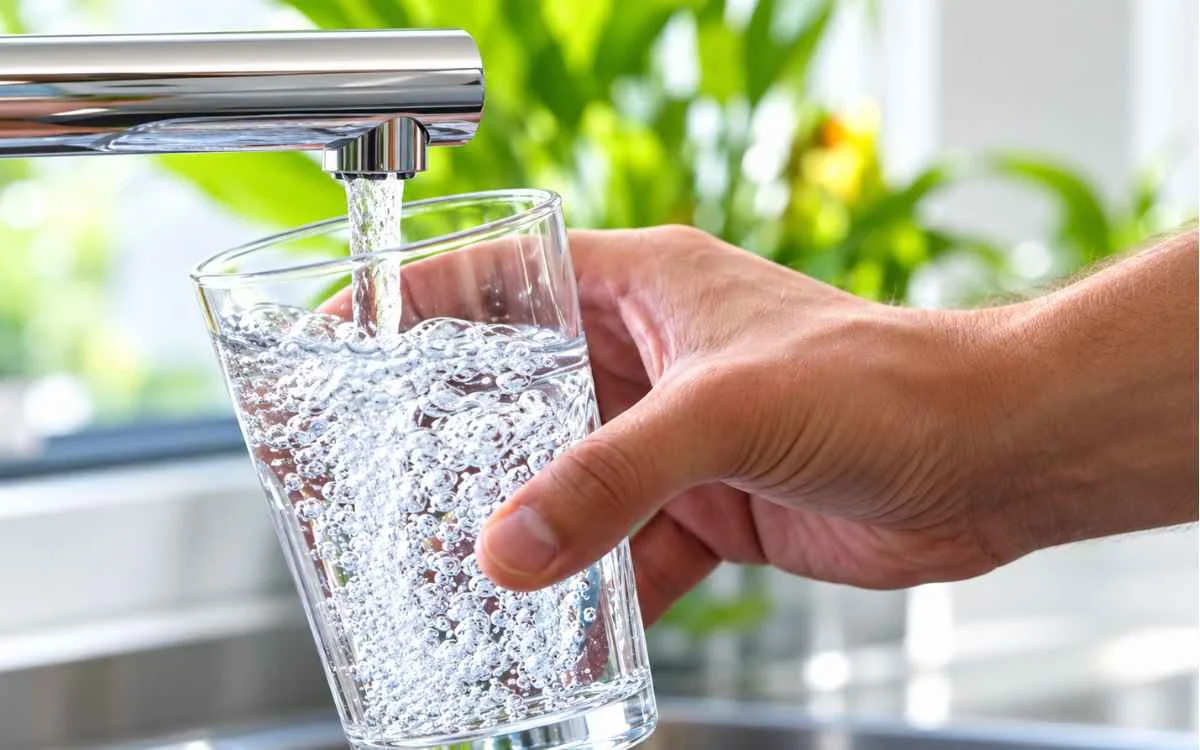
Clear water can still carry risks you can’t see. Bacteria, lead, and nitrates rarely change the color, smell, or taste of water in any noticeable way. A glass could look perfectly normal and still contain something worth worrying about. The EPA’s guidance on private wells notes that owners are responsible for ensuring their own water is safe, since no agency handles that step for them automatically.
This is exactly why a private well water test belongs on your closing checklist. Once you own the property, any contamination becomes your problem to solve and your cost to cover. There’s no utility number to call, no inspector who shows up unannounced, and no monthly bill that already includes a safety guarantee.
What a Private Well Water Test Actually Checks
A proper well water test looks at several categories at once, not just one contaminant in isolation. At AllCheck, our water testing service screens for bacteria, lead, nitrate and nitrite levels, pH balance, iron content, and turbidity. Results typically arrive within three to five days, emailed directly to the client.
Each of these categories tells a different story about the water and about the well itself.
Bacteria: Total Coliform and E. coli
Bacteria contamination usually points to a compromised well casing, a cracked seal, or surface runoff finding its way underground. Total coliform bacteria aren’t always dangerous by themselves. Their presence still signals that something is letting outside contaminants reach the water supply.
- coli is a more serious flag than total coliform alone. Finding it means fecal contamination has entered the system somewhere along the line. The CDC’s testing guidelines for well water recommend checking for bacteria at least once a year, and treat any positive E. coli result as something to address right away rather than something to monitor.
Lead
Lead doesn’t usually come from the ground surrounding a well. It typically leaches from old plumbing, solder joints, or fixtures inside the home itself. Older Central Indiana properties carry a higher risk here, especially homes built before lead solder was phased out of residential plumbing decades ago.
The EPA’s well water contaminants guide sets a threshold of fifteen parts per billion for lead under national drinking water regulations. A result above that level usually points to a specific fixture or plumbing run rather than the aquifer itself. That distinction matters because it changes how you fix the problem.
Nitrate and Nitrite
This category is the one most specific to rural Indiana properties. Homes near farmland face a higher risk of nitrate contamination from fertilizer runoff and general agricultural activity nearby. Nitrates move through groundwater more easily than most buyers realize, particularly in areas with sandy or shallow soil.
High nitrate levels pose a specific danger to infants and pregnant women. That same EPA contaminants resource explains that nitrate contamination can enter a well from fertilizers, animal waste, and septic systems, which makes this category especially relevant for any property surrounded by working farmland.
pH, Iron, and Turbidity
These three factors affect comfort and plumbing longevity more than immediate health. A pH reading outside the 6.5 to 8.5 range can corrode pipes gradually and shorten the life of appliances connected to the water line. High iron content causes staining on fixtures and laundry, which is an aesthetic issue rather than a safety one.
Turbidity, or cloudiness in the sample, can point to sediment, organic material, or a well casing issue that needs a closer look. None of these three typically create a health emergency. All three are worth knowing about before you sign closing paperwork.
Why This Matters More in Central Indiana
Rural properties surrounding Indianapolis, including areas near Avon, Noblesville, and the wider nine-county service region, often sit close to active farmland. That proximity raises the odds that agricultural runoff eventually reaches a private well.
Nitrate and pesticide exposure isn’t a generic national talking point here. It’s tied directly to how the land around a specific property gets farmed and treated. A buyer looking at a rural listing should treat a private well water test as a genuine necessity, not an optional add-on to the transaction.
Sandy soil composition in parts of Central Indiana also lets contaminants travel through groundwater faster than in regions with denser clay soil. That’s another reason a one-time test at closing isn’t just a formality to check off a list. It’s a real snapshot of what you’re actually about to own for years to come.
What Happens During the Testing Process
A water sample gets collected on-site by a trained technician during your scheduled visit. That sample goes to a lab for full analysis across every category listed above. Results come back within three to five business days and land directly in your inbox.
This timeline usually fits comfortably inside a standard home inspection schedule. Pairing water testing with a broader property review, including a look at the plumbing and water heating system, gives buyers a fuller picture before they commit to anything. The CDC’s drinking water safety page recommends testing private wells annually for total coliform bacteria, nitrates, and any locally known contaminants, even after the initial purchase closes.
That last point deserves emphasis. Groundwater conditions shift with seasons, rainfall, and nearby land use. A test at closing establishes a baseline you can compare future results against, but it isn’t a one-time guarantee that lasts forever.
What to Do If the Results Come Back High
Finding an elevated result doesn’t mean the home is unlivable or the deal is dead. It means you now have real information instead of a guess about what’s in your water.
Bacteria issues often get resolved through well shock chlorination or by fixing a compromised casing seal. Lead concerns usually point to a specific fixture or plumbing run that can be replaced or filtered at the point of use. Nitrate contamination is harder to eliminate fully at the source, but point-of-use filtration systems can meaningfully reduce exposure at the tap.
The real advantage is knowing before you close, not discovering a problem after you’ve already moved in. A test result that arrives during your due diligence period gives you room to negotiate repairs, treatment systems, or a price adjustment. The same result discovered six months into ownership just becomes an unplanned expense you’re covering alone.
The EPA’s page on protecting your home’s water covers steps well owners can take, including scheduling regular water testing and maintaining the wellhead correctly. Those same habits apply just as much after closing as they do before it.
Municipal Water Buyers Don’t Face This Decision
It helps to spell out the contrast directly. A buyer purchasing a home on municipal water never has to think about most of what’s covered above. The utility handles testing, treatment, and regulatory compliance as part of the monthly service they already pay for.
A well owner takes on all of that responsibility the moment the deal closes. There’s no monthly bill covering water quality assurance and no scheduled utility inspection checking the system on your behalf. It becomes an entirely self-managed responsibility starting on day one of ownership.
That shift catches plenty of buyers off guard, especially first-time buyers moving from an apartment or a subdivision with city water into a rural property that already has a well in place. Nobody explains this transition to them until it’s already their problem.
Pairing a Water Test with Your Full Home Inspection
Water testing works best as part of a complete pre-purchase review rather than a stand-alone check done in isolation. A full home inspection covers the plumbing system, the well pump, and other mechanical components that affect water delivery and pressure throughout the house. Reviewing your pricing options ahead of time helps you plan which services to bundle together before your closing date arrives.
Every AllCheck inspection also comes with our 90-Day Limited Warranty, giving buyers added protection during the first months of ownership. You can see exactly what a completed report looks like by reviewing our sample report before you schedule anything with our team.
Buyers on well-served properties often benefit from combining water testing with our septic system testing as well, since both services frequently apply to the same rural listings. Handling both during one visit saves a trip and keeps your due diligence timeline on track.
The Bottom Line for Rural Indiana Buyers
Buying a home with a private well means taking on a responsibility that municipal water customers never have to think about at all. Clear water can still carry bacteria, lead, or nitrates that no visual inspection will ever catch on its own. A lab-based private well water test remains the only reliable way to know what you’re actually about to own.
Central Indiana’s mix of farmland proximity and variable soil conditions makes this step especially relevant for anyone looking at a rural listing. Testing before closing gives you real leverage during negotiations and real peace of mind, rather than an unwelcome surprise waiting for you after the move.
If you’re under contract on a rural property or planning to make an offer soon, reach out through contact us to schedule your private well water test alongside your full home inspection. Your home is inspected right, when your house is AllChecked.
AllCheck Inspections serves Indianapolis and the nine-county Central Indiana area from its office at AllCheck.biz. Call (317) 202-3020 to schedule your inspection today.
